Created By- http://lanie354matt.booklikes.com/post/6296054/comprehending-the-systems-of-evo-icl-surgical-procedure-the-science-behind-its-functioning
When it concerns boosting advanced cataract surgical treatment outcomes, artificial intelligence is a game-changer. Imagine a circumstance where complex data evaluation and real-time help could potentially change the area of ophthalmology. The function of AI in cataract surgical treatment goes beyond plain aid; it establishes the stage for a new age of precision and customized individual care. As you check out the impact of AI in each stage of the surgery, you'll find just how it shapes the future of cataract surgical procedure in ways you may not have thought of.
AI Applications in Preoperative Planning
When considering AI applications in preoperative planning for cataract surgery, efficiency and precision are key variables to enhancing surgical end results. By using AI technology, your medical group can simplify the preparation procedure, ensuring that measurements and estimations are accurate and customized to your particular needs. https://postheaven.net/eusebiocelestina/browsing-the-globe-of-evo-icl-surgical-procedure-a-comprehensive-guide can evaluate a plethora of information points from preoperative examinations, such as biometry and corneal topography, to produce maximized surgical strategies with minimal human mistake.
This innovative modern technology not only conserves time yet also improves the precision of measurements, resulting in boosted intraocular lens option and placement. Through AI-assisted preoperative planning, you can expect a higher degree of customization in your cataract surgery, tailored to your special eye attributes. In addition, AI can help in forecasting prospective problems based upon specific person data, permitting your surgeon to proactively deal with any kind of challenges that may develop throughout the procedure.
Integrating AI right into preoperative preparation inevitably adds to better surgical outcomes, offering you with a much more individualized and effective cataract surgical treatment experience.
Intraoperative Assistance Using AI
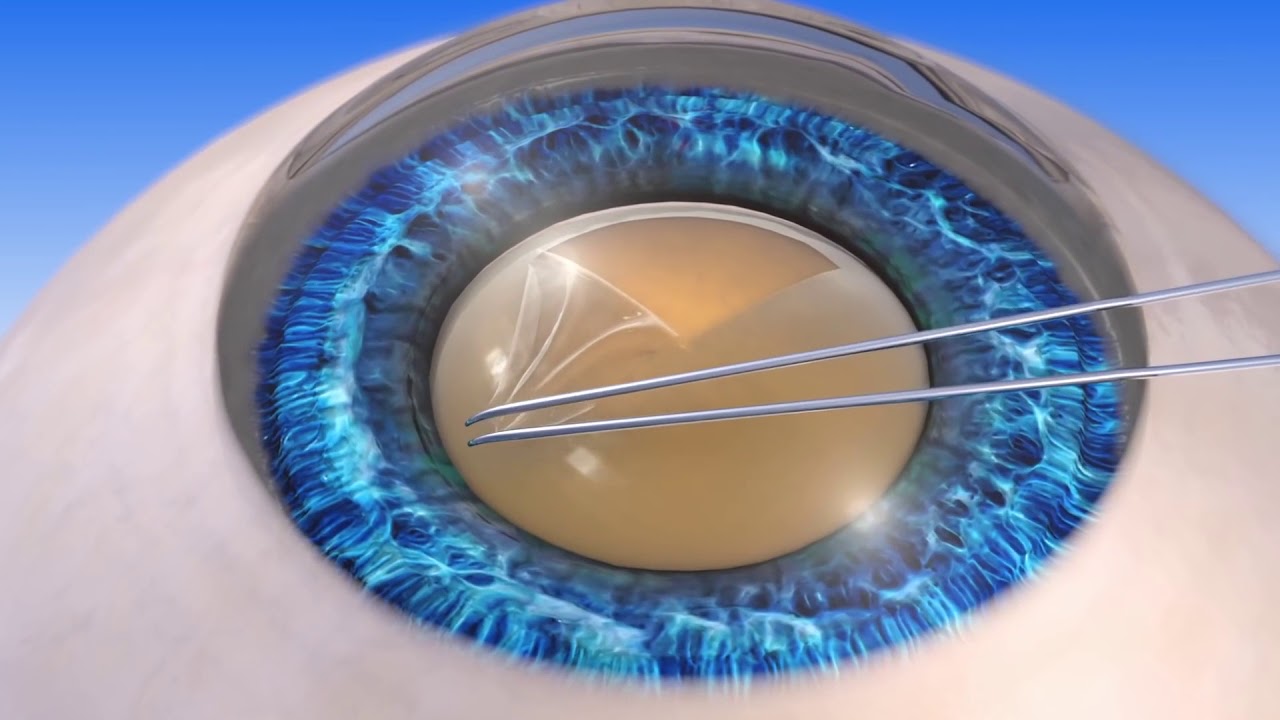
By extending the capacities of artificial intelligence past preoperative planning, AI modern technology can also offer real-time support during cataract surgical treatment, enhancing surgical accuracy and end results. Throughout please click the next post , AI can examine real-time information from imaging tools, such as optical comprehensibility tomography, to assist in making accurate cuts and removing the cataract with accuracy. This real-time aid can help cosmetic surgeons adjust their techniques to make certain the best possible outcomes for each and every individual.
AI algorithms incorporated right into surgical systems can likewise supply assistance on lens selection based on specific patient information, enhancing the accuracy of intraocular lens power computations. By analyzing various variables like corneal curvature and axial size in real-time, AI can recommend the most ideal lens power for ideal visual acuity post-surgery. This help lessens the margin of mistake in lens option, resulting in boosted visual outcomes for patients undertaking cataract surgical procedure.
AI's Effect on Postoperative Treatment
AI's combination into postoperative treatment processes boosts person recuperation and tracking after cataract surgical treatment, making certain optimum end results. Via AI-powered surveillance systems, your postoperative development can be closely tracked, enabling very early detection of any kind of complications. These systems assess information factors such as visual acuity, intraocular pressure, and inflammation degrees to provide real-time insights to your health care team.
AI formulas can also assist in anticipating prospective postoperative issues based upon your one-of-a-kind health and wellness data and surgical specifics. By flagging high-risk variables early, interventions can be promptly applied, potentially protecting against adverse occasions and advertising smoother healings. In addition, AI can customize your postoperative treatment plan by taking into consideration elements like age, case history, and way of living habits, optimizing your healing trip.
In addition, AI's function extends to improving communication in between you and your doctor. Virtual aides powered by AI can use support on postoperative treatment guidelines, medicine schedules, and prospective indication to expect, encouraging you to take an energetic duty in your recovery procedure. With AI's assistance, postoperative treatment ends up being extra specific, positive, and customized to your individual needs.
Conclusion
To conclude, expert system changes innovative cataract surgical treatment by improving preoperative planning, offering real-time intraoperative assistance, and enhancing postoperative treatment. With AI's capacities to assess data and anticipate end results, the medical experience is much more effective and personalized.
Can you think of the possibilities of AI remaining to advance medical end results and boost individual care?